
ほとんどの場合 家庭用エレベーターに関する問題 実際よりも深刻に見えてしまうことがあります。車が動かないのは、多くの場合、ドアが完全に閉まっていないためです。車が階の途中で止まってしまうのは、たいてい安全回路が正常に作動しているためです。.
次の1時間がどうなるかは、2つの質問で決まります。「安全に確認できることは何か?」そして「いつ試すのをやめるべきか?」です。
このガイドでは、その両方の疑問にお答えします。オーナーが最も頻繁に直面する8つの問題、それぞれの問題の一般的な原因、そしてボタンをもう一度押すのではなく、技術者に連絡すべき正確なタイミングについて解説しています。.
1. 何かに触れる前に:3つの安全ルール
欠点探しは、「してはいけないこと」から始まります。3つのルールで、ほぼあらゆる状況に対応できます。.
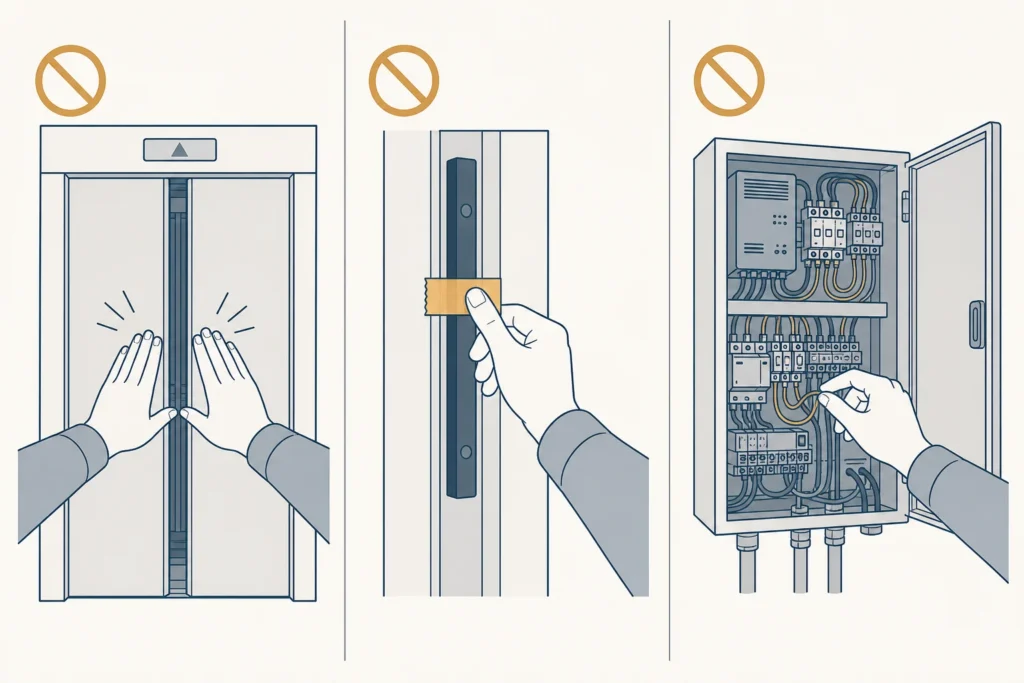
決してドアを無理に開けたり、停車中の車から外へ飛び出したりしてはいけません。. 階の間に挟まって動けなくなっている家庭用エレベーターは、安全装置によって固定されています。ドアを無理に開けようとすると、固定が解除される恐れがあります。車内にとどまり、インターホンまたは携帯電話を使って連絡してください。.
安全装置の上にテープを貼ったり、縛り付けたり、バイパスしたりしてはいけません。. ドアコンタクト、ライトカーテン、またはゲートスイッチが機能していない場合、ドアが開いたままでも車両は走行してしまいます。これが、人が怪我をする原因となります。.
制御盤の蓋は絶対に開けないでください。. 内部のものはすべて通電しているか、エネルギーを蓄えています。カバー越しにディスプレイを確認するのは安全ですが、内部に手を伸ばすのは危険です。.
この記事で取り上げるすべての事項について、これら3つのルールが適用されます。以下の内容には、これらのルールに違反するよう求めるものは一切ありません。.
2. 2分間のセルフチェック:まずはこの5つのことを試してみてください
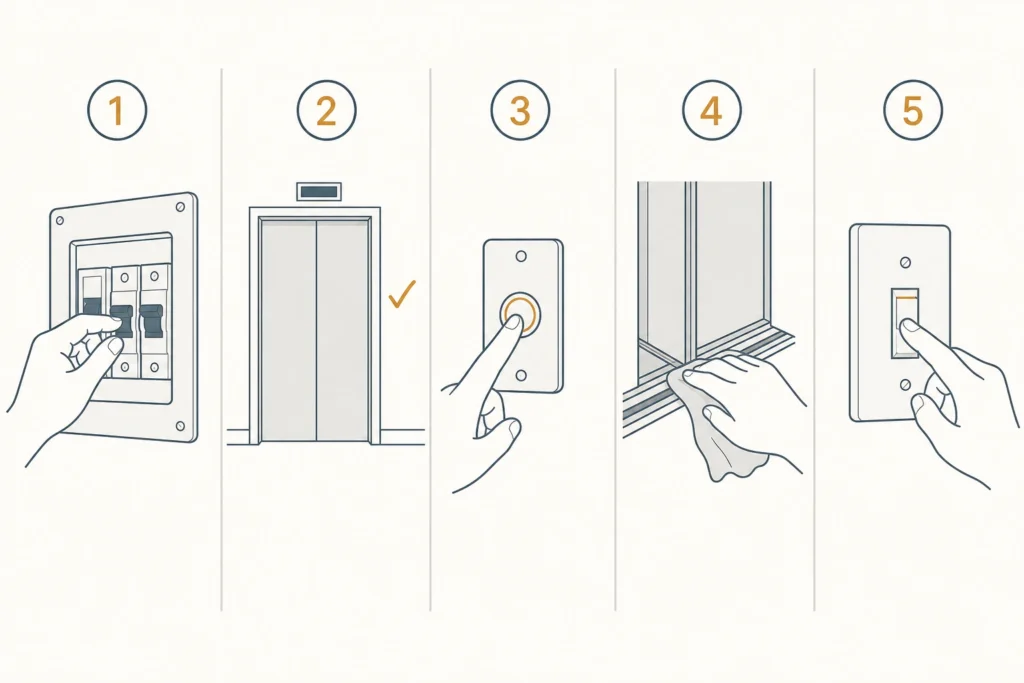
家庭用エレベーターのトラブルシューティングは、ここから始めましょう。誰かに連絡する前に、以下の手順を試してみてください。これで、報告されている不具合の大部分が、約2分で解消されます。.
- ブレーカーを確認してください。. 家庭用エレベーターは、専用のブレーカーまたは遮断スイッチで動作しており、通常はシャフトの近くや設備室に設置されています。トリップした場合は、一度リセットしてください。.
- すべてのドアや門を完全に閉めてください。. ドアやゲートのいずれかが開いている間は、エレベーターは動きません。エレベーターのドアだけでなく、階のゲートも確認してください。.
- 通話ボタンをもう一度押してください。. 操作の合間に数秒間待ってください。何度も押しても処理が早くなることはありません。.
- ドアのレールをきれいにしてください。. ほこり、ペットの毛、小さなゴミなどがドアの閉まりを妨げます。柔らかい布か掃除機を使って取り除いてください。.
- 一度電源を再起動してください。. ブレーカーを30秒間オフにしてから、再びオンにしてください。これにより、多くの誤検知が解消されます。.
手順1または2を行った後に車が正常に動作した場合は、原因が特定できたことになります。日付と行った作業内容を記録しておいてください。.
5つの手順をすべて試しても問題が解決しない場合は、誤作動ではありません。以下の表を参照し、その後、技術者にご相談ください。.
3. 家庭用エレベーターで最もよく見られる8つのトラブル
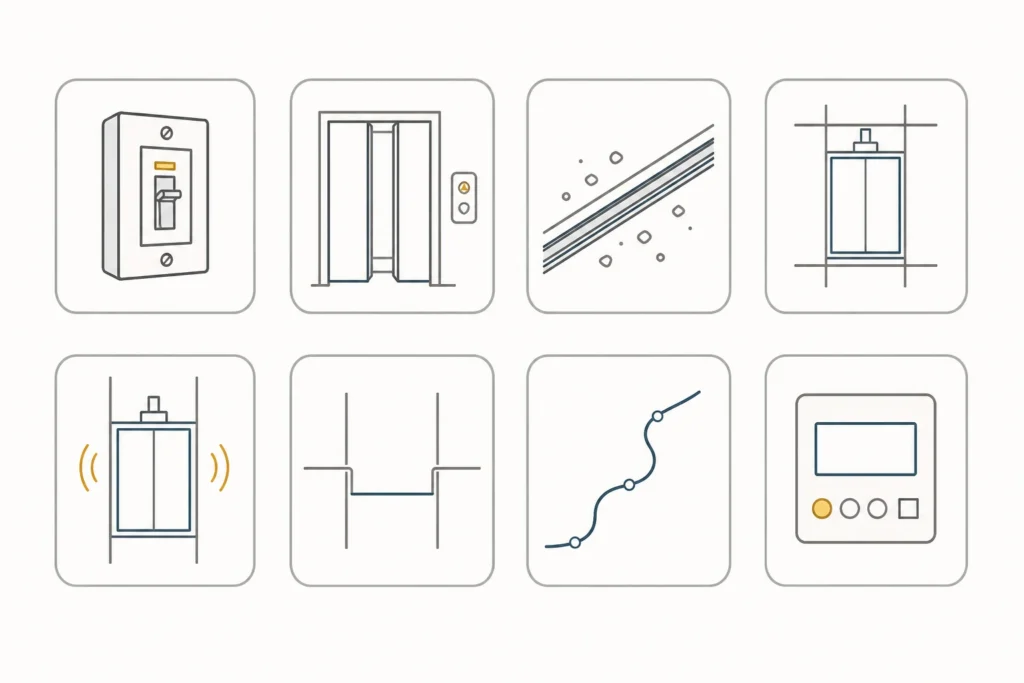
この表は、所有者から最も頻繁に報告されるホームエレベーターに関する問題をまとめたものです。最初の列を順に読み進め、ご自身の状況に該当する項目を見つけてください。.
| 目に見えるもの | 通常、その原因は何ですか | これからどうすればいいか |
|---|---|---|
| ボタンを押しても何も起こりません | システムの電源が入っていません | 専用のブレーカーまたは遮断器を確認してください。一度リセットしてから、もう一度試してみてください。. |
| 車が動かない上に、ドアやゲートが開いたままになっている | ドアやゲートが開いていると、安全回路が開いたままになります | すべてのドアやゲートを完全に閉めてください。踊り場のゲートも確認してください。もう一度ボタンを押してください。. |
| ドアが閉まらない | ドアのレールに異物が挟まっているか、あるいはライトカーテンの中に何かが入っている | 柔らかい布か掃除機を使って、レールをきれいに拭き取ってください。出入り口にあるものはすべて取り除いてください。. |
| エレベーターが階と階の間に止まった | 安全回路が作動して車が停止したか、あるいはセンサーが予期せぬ信号を検知した | 屋内に留まってください。インターホンや電話をご利用ください。無理にドアを開けようとしないでください。. |
| 車から、きしむ音、こすれる音、あるいはガタガタという音がする | ガイドシューの摩耗や乾燥、ローラーやベアリングの摩耗、あるいは部品の緩み | 車の使用を中止してください。点検の予約を入れてください。. |
| 車の床が、踊り場と合わなくなってしまいました | レベルドリフト。油がタンクに戻る際に、油圧駆動装置でよく見られる現象です。 | その誤差がどれほど大きいか、またどのくらいの頻度で発生するかを確認してください。点検の予約を入れてください。. |
| 乗り心地がガタガタしたり、揺れが不均一に感じられる | 潤滑、ガイドシューの摩耗、または駆動部の調整 | どの階で、どの方向で発生したかを確認してください。サービス訪問を予約してください。. |
| ボタンが反応しないが、ランプは点灯している、あるいはディスプレイにエラーコードが表示されている | 制御回路または安全回路の故障 | 正確なエラーコードを書き留めてください。電源を一度切り、30秒間待ってから再び入れ直してください。エラーコードが再び表示された場合は、技術者にご連絡ください。. |
その表のうち3行については、補足説明が必要です。照明がついたままホームエレベーターが作動しない場合は、通常、ドアが完全に閉まっていないことが原因です。.
家庭用エレベーターのドアが閉まらない場合は、故障だと決めつける前に、まずレールに異物がないか確認してください。家庭用エレベーターから音がする場合、かすかなハム音程度であれば修理を依頼する必要はありませんが、きしむ音やガタガタという音は正常ではありません。.
この表全体に当てはまる制限が1つあります。遠隔から家庭用エレベーターを診断することは誰にもできません。これにより可能性が絞り込まれますが、それがこの表の目的です。.
記載されていない症状については、最後の行と同様に扱ってください。症状を記録し、電源を一度切り、再起動しても症状が再発する場合は、技術者に連絡してください。.
4. なぜ駆動システムがすべてを変えるのか
家庭用エレベーターには3種類の駆動方式があります。それぞれに特有の故障の傾向があります。ご自宅のエレベーターの駆動方式を知っておけば、どのようなトラブルが発生しやすいか、また発生しにくいかを把握することができます。.
油圧式。. 油圧によって車体が持ち上げられます。家庭用油圧エレベーターのトラブルの多くは油圧回路に起因しており、典型的な現象として水平位置のずれが挙げられます。.
エレベーターはゆっくりと下降し、上階の踊り場の少し手前で停止します。油圧駆動式の家庭用エレベーターで水平位置のずれが生じた場合、通常は制御系統ではなく、油圧回路から点検を始めるのが一般的です。油はバルブを通ってタンクに戻っていますが、バルブの摩耗やわずかな漏れがあると、この現象がより早く起こります。.
シリンダーや継手の周囲に油が付着しているという報告もよく寄せられます。また、油圧駆動装置は寒冷時には動作が異なるため、油量の確認が必要です。.
トラクション。. 滑車の上を走るロープがキャビンを引っ張ります。最近の家庭用エレベーターのほとんどはギアレスで機械室も不要なため、点検すべき油はありません。.
ロープは時間の経過とともに伸びるため、張りを調整する必要があります。ブレーキのギャップ、シーブの摩耗、ガイドシューの異常は、異音や停止時のぎくしゃくした動きとして現れます。.
空圧および真空。. シリンダー内の空気圧または真空によって、車両が持ち上げられます。シール、ブロワー、および空気漏れが故障の原因となります。移動高さはシリンダーによって制限されるため、これらのシステムは短距離の搬送に適しています。.
技術者に連絡すると、まず最初にドライブの種類を尋ねられます。これにより、工具袋を開ける前から候補を絞り込むことができるのです。.
5. 故障コードとコントロールパネルのメッセージの確認
新しい制御装置では、キャビンが停止した際にホームエレベーターの故障コードが表示されます。このコードは有用な情報であり、何も操作することなく取得することができます。.
- 「見て、開けないで」. カバー越しにディスプレイを確認してください。キャビネットは閉じたままです。.
- コードは表示されているとおりに正確に記述してください。. 文字も入れてください。.
- 順序に注意してください ディスプレイに複数のコードが順次表示される場合。.
- コードはブランドごとに異なります。. あるコントローラーの故障コード12は、別のコントローラーのコード12とは何の関係もありません。.
- コードを消去することは、修理ではありません。. 同じコードが返された場合、その状態が繰り返されます。.
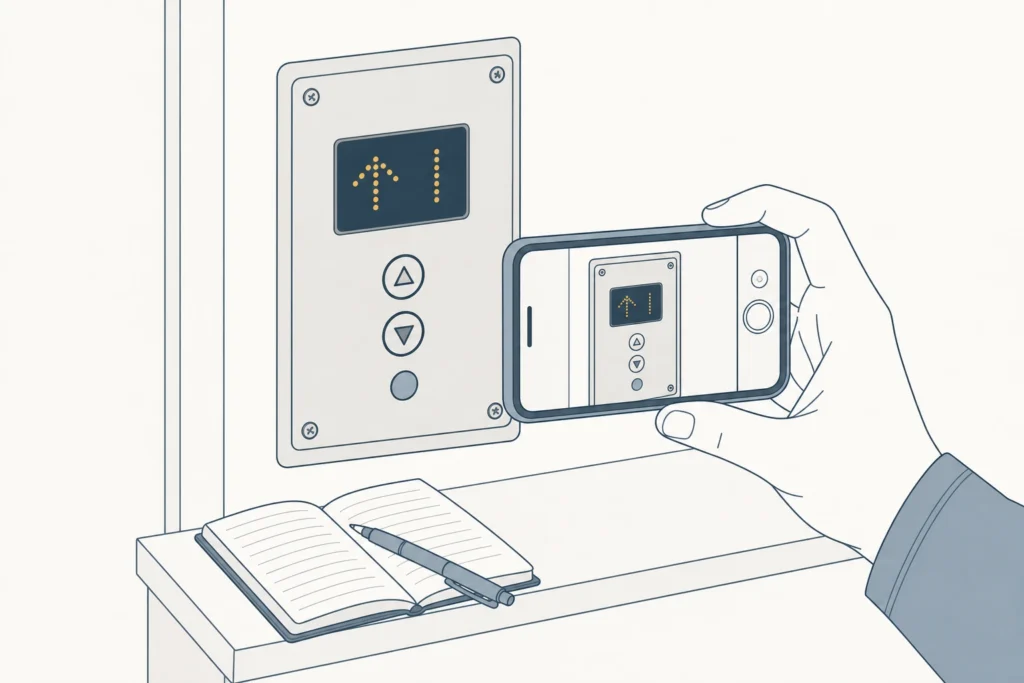
ディスプレイの写真は、説明文よりもはるかに説得力があります。何かをリセットする前に、ぜひ写真を撮っておきましょう。.
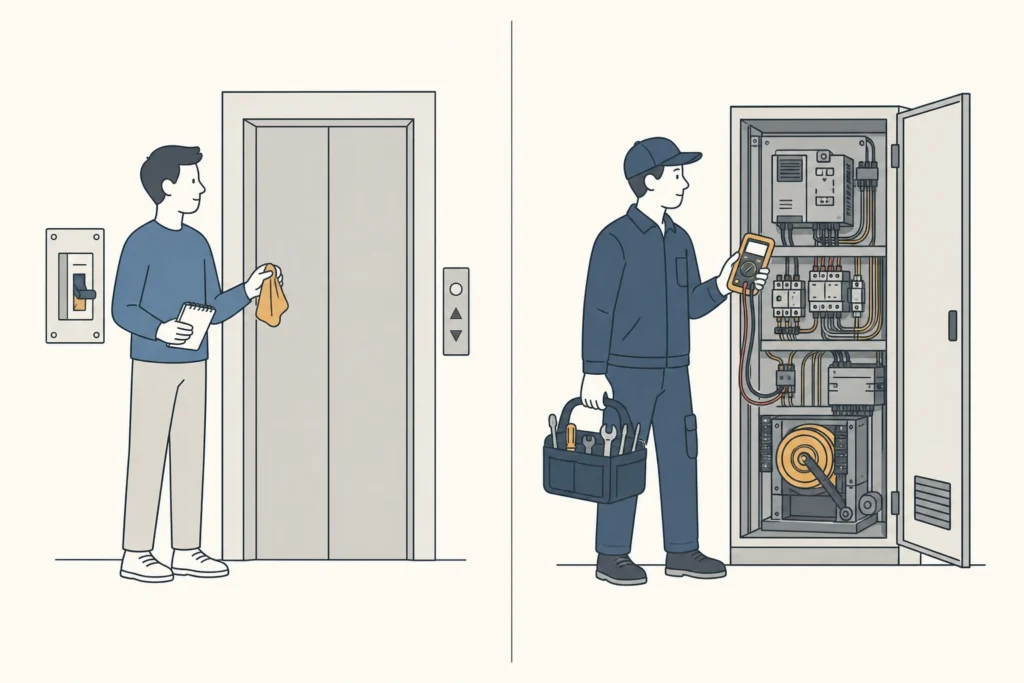
6. 自分で直せるものと、技術者の手が必要なものの見分け方
家庭用エレベーターに関する問題のほとんどは、ある一つの問いに帰着します。「これは触ってもいいものなのか?」という問いです。この判断基準は、難易度の問題ではありません。触っても安全かどうかが問題なのです。.
| これなら大丈夫だよ | 技術者に連絡する |
|---|---|
| 専用ブレーカーまたは遮断器の確認 | 制御盤の開蓋、または通電中の回路への接触 |
| すべてのドアやゲートが完全に閉まっていることを確認する | ドアロックおよび安全回路の調整 |
| ドアレールからほこりやごみを取り除く | 安全装備、ガバナー、またはロープのたるみ防止装置に関する作業 |
| 故障コードとその発生時刻を記録する | 油圧バルブ、シリンダー、および油漏れ |
| 車両に過積載がないことを確認する | ロープ、ブレーキ、および牽引用プーリーの仕組み |
その業務がどちらの側にあたるのか判断がつかない場合は、技術者の側とみなします。.
7. 修理の実際の費用
電話だけで家庭用エレベーターの修理費用を正確に見積もれる人はいません。そう主張する業者は、あくまで推測しているに過ぎません。できることは、その金額の算出根拠を理解することです。.
- どの部分が故障したのでしょうか。. ドアローラーは安価です。一方、コントローラーや油圧バルブはそうではありません。.
- ドライブの種類。. 油圧作業といえば、多くの場合、オイル、バルブ、シリンダーに関する作業を指します。.
- アクセス。. 機械が仕上げ済みの壁の後ろに設置されている場合、その壁を開閉するのにかかる費用が、部品代よりも高くなる可能性があります。.
- 人件費と移動時間 お住まいの地域で。.
- 予約による訪問または緊急の出動。. 2つ目はいつも値段が高くなる。.
修理そのものよりも重要な数字が2つあります。それは、年間メンテナンス費用と部品の手配にかかるリードタイムです。エレベーターに関する公開フォーラムでは、北米の所有者たちが、年1回または年2回のスケジュールで実施される定期点検について、1回あたり数百ドルの請求がされることをよく報告しています。.
何かに署名する前に、両方の金額を書面で確認してください。そして、もう一つ質問をしてみてください。その契約は人件費のみを対象としているのか、それとも人件費と部品代を含むのか、ということです。
8. 予備部品と保守契約:誰も予期しない問題
家庭用エレベーターは数十年も持ちますが、それを販売した会社はそうとは限りません。販売店の経営者が変わったり、モデルが生産終了になったり、お客様の機種に詳しい技術者が退職したりすることもあります。.
こうした事態を完全に防ぐことはできませんが、備えをしておくことは可能です。以下の4つの質問に事前に答えを出しておけば、家庭用エレベーターのスペアパーツの調達はずっと簡単になります:
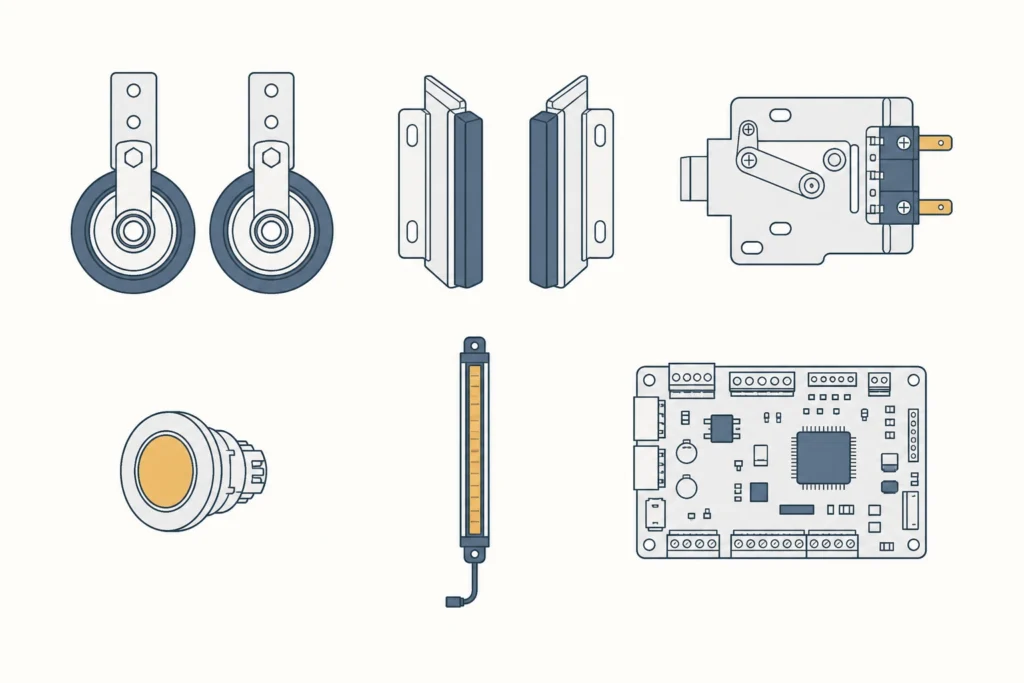
- 通常の使用では、どの部分が摩耗しますか? ドアローラー、ガイドシュー、ドアロック、ボタン、ライトカーテンがリストの上位を占めています。リストと各商品の価格を尋ねてみてください。.
- 一般的な消耗部品は、到着までどれくらいかかりますか? 車が2階へ上がる唯一の手段になると、1日や1週間の過ごし方は大きく変わってくる。.
- そのコントローラーは専用ボードですか? それとも、資格を持つ技術者なら誰でも入手できる部品でしょうか?その答えによって、後でどれだけの自由度があるかが決まります。.
- 家庭用エレベーターのサービス契約にはどのような内容が含まれていますか? 人件費のみか、それとも人件費と部品代か? どのような場合が緊急事態とみなされるのか?
部品が生産終了になった場合でも、サービス会社なら独立系サプライヤーから同等の部品を手配できることがよくあります。これは、型番、部品番号、または鮮明な写真が用意されている場合に有効です。これら3つの情報は、すぐに見つけられる場所に保管しておきましょう。.
9. こうした問題のほとんどを防ぐ方法
上記の問題のほとんどは、摩耗、汚れ、あるいは負荷に起因しています。これら3つはいずれも対処可能です。.
- ドアのレールをきれいに保ってください。. 月に1回、柔らかい布か掃除機で拭いてください。溶剤や研磨剤入りのスプレーは使用しないでください。.
- 定格荷重の範囲内でお使いください。. 家具や箱は見た目よりも重く、この定格には乗客の重量も含まれています。.
- パネルには刺激の少ない洗剤を使用してください。. 工業用洗浄剤はシールを損傷させ、電気部品にまで浸透する可能性があります。.
- 機械の周囲は、常に乾燥した状態に保ち、障害物がないようにしてください。. コントローラー周辺の湿気や保管されている箱が、誰にとっても支払いたくないような不具合の原因となります。.
- 気づいたことを記録しましょう。. 日付、症状、故障コード。簡潔な記録があれば、原因が不明確な修理依頼も迅速な修理につながります。.
- 不具合がなくても、自宅用エレベーターの定期点検は欠かさず行ってください。. ほとんどの修理は、最初は些細なことで、それが放置されたことから始まります。.
- 家が長期間空いている場合は、たまには車のエンジンをかけておいてください。. 決して動かないエレベーターは、正常な状態を保てません。.
訪問前に技術者に伝えておくべきこと
これらをあらかじめ用意しておけば、訪問にかかる時間を半分に短縮できます。そのほとんどは、5分もあれば揃えることができます。.
- 型番およびシリアル番号。. 通常、車内のプレート上、またはコントローラーの近くにあります。.
- 正確な故障コード。. 文字も入れてください。.
- それが起きたとき。. どの階か、どちらの方向か、荷物が積まれているか空か、時間帯はいつか。.
- 聞こえてくるもの。. それがどこから来ているように見えるか、おおよその位置をメモしておいてください。.
- よくあることだ。. 週に1回、あるいは1日に10回。.
- 電源のリセットでそれが解消されるかどうか。. どのくらい透明な状態が続くか、注目してください。.
- 最近何か変わったことはありますか。. 新しい家具、工事、停電、あるいは嵐。.
到着前にこれらすべてを把握している技術者は、適切な部品を持参します。それが、1回の訪問で済むか、3回もかかるかの分かれ目となるのが普通です。.
LJエレベーターによる交換部品および技術サポート
LJ Elevator社は、エレベーター一式を販売しており、, ホームエレベーター その中には……。家庭用エレベーターに不具合が生じた場合、弊社では所有者やサービス会社と協力して故障原因を特定し、修理に必要な部品を供給いたします。.
部品の供給。. 家庭用エレベーター各モデル用の消耗部品、ドア部品、制御装置、および駆動部品。.
トラブル対応。. 症状、車種、および故障コードをお知らせください。どの部分が故障しているのか、どの部品が必要なのかを特定するお手伝いをいたします。.
技術情報。. 図面、部品番号、および不具合の参照情報。これにより、現地の技術者は訪問前に、どのような状況であるかを把握することができます。.
既存住宅に適しています。. 狭いシャフト、標準外の高さ、頭上スペースやピットの深さが限られているといった条件は、当社にとっては例外ではなく、ごく当たり前の要件です。.
ディーラーおよびサービスパートナー。. ご自宅でエレベーターのメンテナンスを行っており、対応している機種の信頼できる部品供給元をお探しの場合、それはまさに私たちが毎日お受けしているご相談です。.
住宅所有者の場合、現場での作業は設置業者または地元のサービス会社が担当します。弊社でできることは、問題の特定をお手伝いし、適切な部品がお客様のもとへ届くよう手配するとともに、取り付けに必要な情報を提供することです。.
お使いの機種、部品番号、または写真と故障コードをお送りください。24時間以内にご返信いたします。.
結論
家庭用エレベーターのトラブルは、一見したほど深刻なケースはめったにありません。そのほとんどは、電源の問題、ドアが閉まっていない、レールに汚れが付着している、あるいは部品の寿命が尽きているといったことが原因です。.
誰かに連絡する前に、3つの安全ルールと5段階の自己点検を順を追って行ってください。症状一覧表を参考にして、自分が直面している状況がどのようなものかを把握してください。自分で確認できる範囲と、技術者に任せるべき範囲の境界線を見極めてください。.
その後、型番、故障コード、および症状を把握した上で電話をかけてください。そうすることで、家庭用エレベーターを迅速に復旧させることができ、同じ修理依頼に対して二度料金を支払うことを避けることができます。.
ご自宅用エレベーターの部品や技術情報が必要な場合は、, LJエレベーターへのお問い合わせ お客様のモデルと不具合の詳細をお知らせください。必要な事項を特定するお手伝いをいたします。.
よくあるご質問
家庭用エレベーターで最もよくあるトラブルは何ですか?
電源とドア。ブレーカーが落ちている場合やドアが完全に閉まっていない場合が、サービスコールの大部分を占めていますが、いずれも数分で解決できます。.
自宅のエレベーターが階と階の間に止まってしまうのはなぜですか?
安全回路が作動して車両が停止したか、センサーが予期せぬ反応を検知したようです。車内にとどまり、インターホンを使用し、ドアを無理に開けようとしないでください。この場合は技術者の対応が必要です。.
自宅のエレベーターは自分でリセットできますか?
はい、一度だけ行ってください。専用ブレーカーまたは遮断器を30秒間オフにしてから、再びオンにしてください。それでも故障が再発する場合は、リセットを中止し、技術者に連絡してください。.
自宅用エレベーターの修理費用はいくらですか?
故障した部品やドライブの種類、そして機械へのアクセスがどれほど容易かによって異なります。作業を開始する前に、診断結果と部品代を文書で確認してください。.
家庭用エレベーターの点検はどのくらいの頻度で行うべきですか?
通常、最低でも年に1回は点検が必要ですが、日常的に頻繁に使用される機器については、年に2回の点検スケジュールが一般的です。お使いの機種の点検スケジュールについては、サービス会社にご確認ください。.
家庭用エレベーターにはリセットボタンは付いていますか?
モデルによっては、コントローラーにリセット機能が付いているものもありますが、多くのモデルにはその機能がありません。確実にリセットを行うには、専用のブレーカーまたは遮断スイッチを使用してください。決して制御盤を開けてそれらを探そうとしてはいけません。.