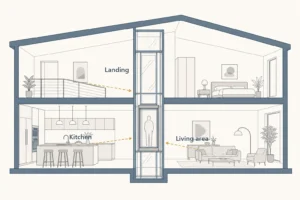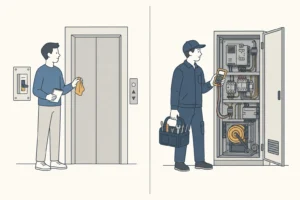
К типам домашних лифтов относятся лифты с тяговым, гидравлическим, винтовым и пневматическим приводом, а также платформенные системы. Выбор типа домашнего лифта зависит от имеющегося пространства и особенностей здания. Будь то домашний лифт, лифт для жилого дома, частный лифт или лифт для виллы — каждый из этих вариантов обеспечивает безопасное и удобное вертикальное перемещение в современных домах.
1. Какие бывают типы домашних лифтов?
Домашние лифты можно разделить на несколько основных типов в зависимости от способа перемещения и конструкции.
Если вы не знакомы с лифтами, вам не обязательно сначала разбираться в технических деталях.
Вам нужно запомнить всего одну простую идею:
Нет необходимости сразу углубляться в технические детали.
Просто запомните одну простую идею:
Ниже приведены пять наиболее распространенных типов, которые вы встретите на рынке.
1.1. Домашний лифт с тяговым приводом (наиболее распространённый тип)
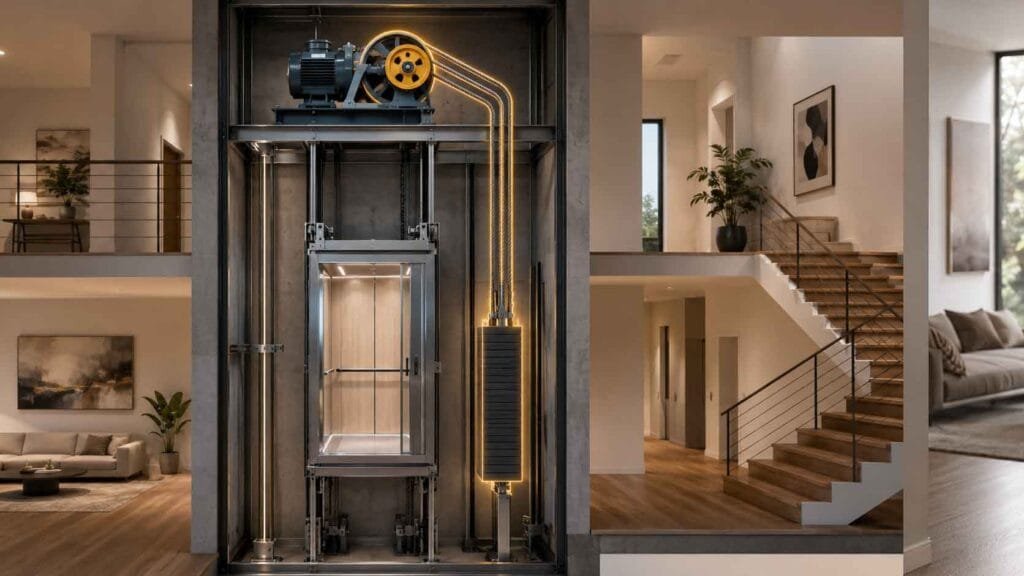
Это самый популярный домашний лифт, который устанавливают в современных домах и виллах.
Это работает по принципу, схожему с “системой блоков”.
Стальные тросы с помощью двигателя поднимают и опускают кабину лифта.
Простая идея:
▶Это похоже на корзину, которую тянут за веревки и управляют с помощью двигателя.
Основные особенности:
- Может проектироваться как с машинным отделением, так и без него
- Плавное и стабильное движение
- Бесшумная работа
- Достаточно быстрый для повседневного домашнего использования
Что нужно помнить:
▶Это “стандартный тип лифта”, который используется в большинстве современных домов.
Идеально подходит для:
- Виллы
- Новые дома
- Дома, в которых достаточно места для шахты
1.2. Гидравлический домашний лифт
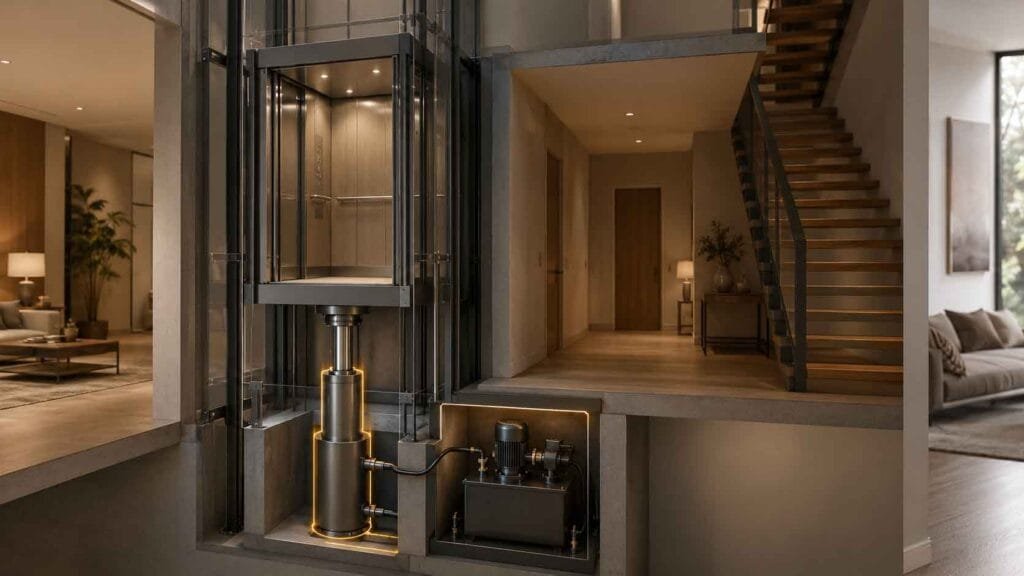
В данной конструкции подъем элеватора осуществляется за счет давления масла.
Гидравлический насос подает масло в цилиндр, который поднимает кабину.
Простая идея:
▶Это работает по принципу “гидравлического домкрата, поднимающего автомобиль”.
Основные особенности:
- Очень стабильная и высокая грузоподъемность
- Более низкие требования к установке
- Как правило, работают медленнее, чем тяговые лифты
- Для установки насоса может потребоваться небольшое место
Что нужно помнить:
▶Это мощный и простой вариант, но не самый быстрый. Что нужно помнить:
▶Это мощный и простой в использовании инструмент, но он не самый быстрый.
Идеально подходит для:
- Невысокие дома
- Ремонт старого дома
- Дома с ограниченными условиями в шахте
1.3 Домашний лифт с винтовым приводом
Данная модель перемещается с помощью системы из большого винта и гайки.
Кабина поднимается и опускается за счет вращения вдоль винта.
Простая идея:
▶Похоже на “автомобильный домкрат, который поворачивается, чтобы поднимать вверх”.
Основные особенности:
- Стальные тросы не требуются
- Очень компактная конструкция
- Может устанавливаться в небольших помещениях
- Скорость относительно низкая
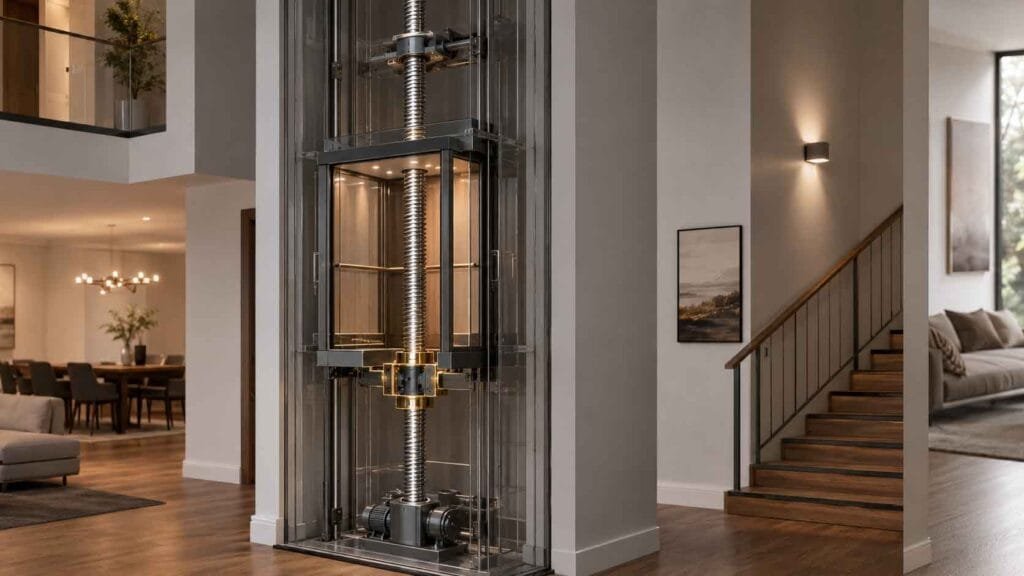
Что нужно помнить:
▶Это наиболее компактная модель.
Идеально подходит для:
- Небольшие дома
- Старые здания
- Проекты, в которых нет места для шахты
1.4. Пневматический (вакуумный) домашний лифт
В этом лифте разница давления воздуха используется для перемещения кабины внутри прозрачной трубы.
Простая идея:
▶Как “вакуумная трубка, которая то толкает, то тянет кабину с помощью воздуха”
Основные особенности:.
- Не требуется ни кабелей, ни машинного зала
- Очень современный и стильный дизайн
- Быстрая установка
- Ограниченная грузоподъемность
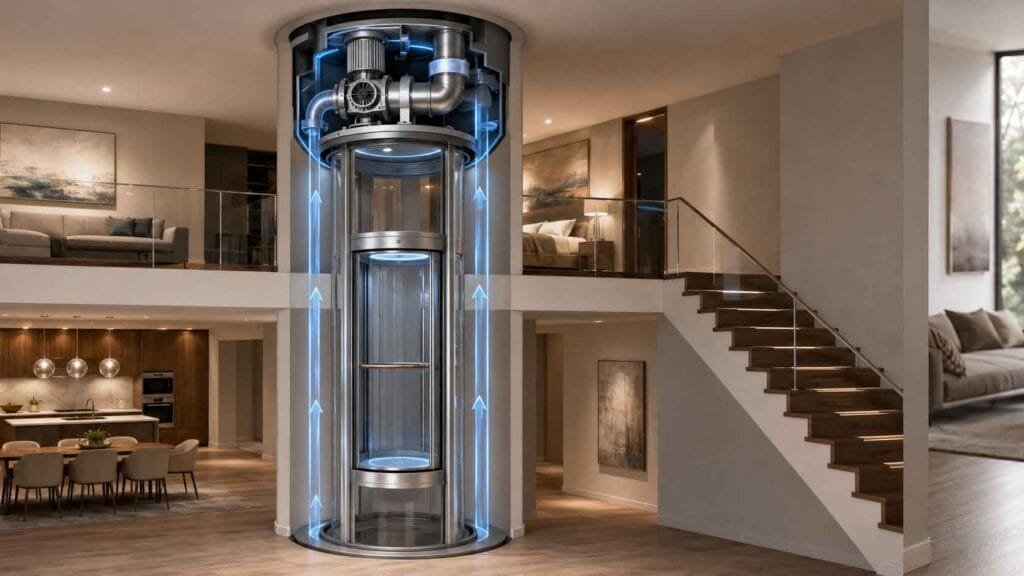
Что нужно помнить:
▶Он выглядит футуристично и прост в установке, но имеет ограниченную вместимость.
Идеально подходит для:
- Элитная недвижимость
- Для небольшой семьи
- Проекты, посвящённые дизайну и внешнему виду
1.5. Платформенный подъемник (простой домашний лифт)
Это более простая подъемная система, а не полноценный традиционный лифт.
Она перемещает платформу вверх и вниз, как правило, с небольшой скоростью.
Простая идея:
▶Как “небольшой подъемный стол между этажами”.
Основные особенности:
- Простая структура
- Низкая стоимость
- Низкая скорость
- Часто используется для обеспечения доступности
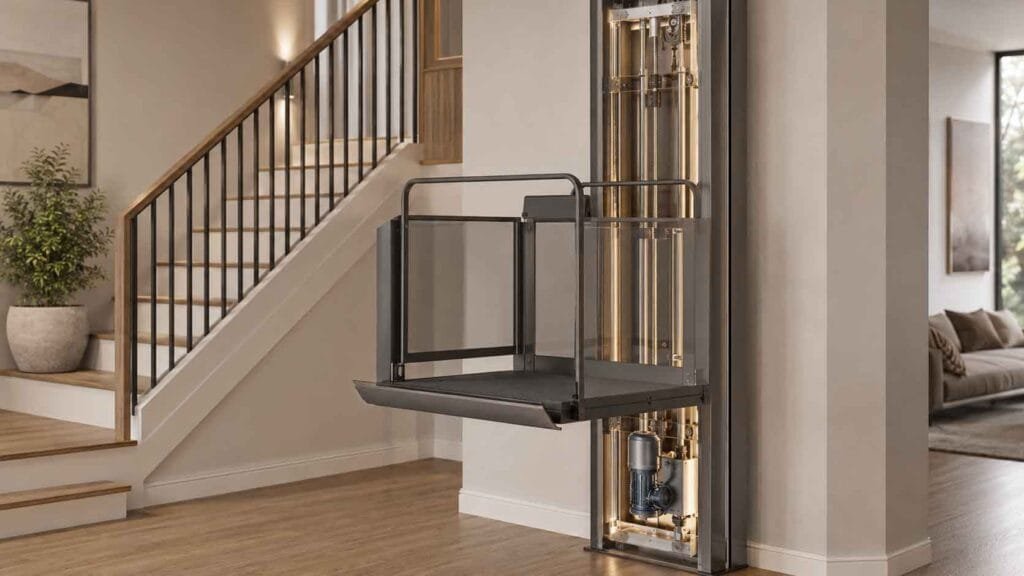
Что нужно помнить:
▶Это не полноценный лифт, а простое подъемное устройство.
Идеально подходит для:
- Люди, пользующиеся инвалидными колясками
- Пожилые люди
- Вертикальное перемещение на короткие расстояния
Краткое резюме (легко запомнить)
Если вы хотите запомнить их простым способом:
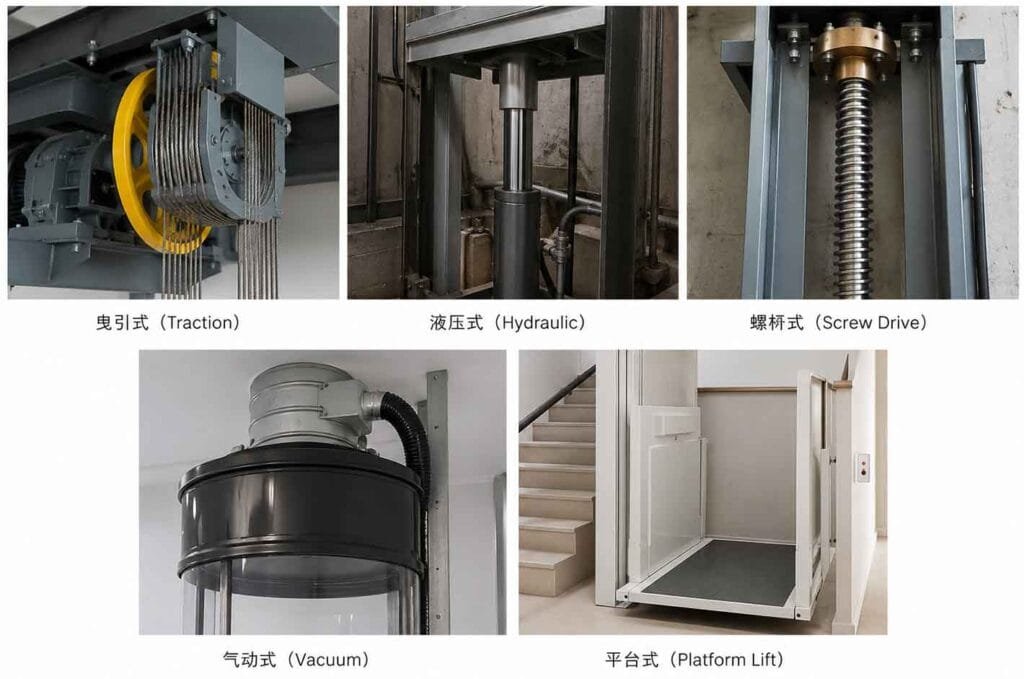
- Тяга → Стандартный домашний лифт (наиболее распространённый)
- Гидравлический → Высокая грузоподъемность, простая система
- Винтовой привод → Решение для небольших помещений
- Пневматический → Современный дизайн, ограниченная вместимость
- Платформенный подъемник → Базовый подъемник для обеспечения доступности
2. Основные различия между различными типами домашних лифтов
Чтобы вам было проще понять эти различия, в приведенной ниже таблице представлены сравнения основных типов домашних лифтов по нескольким важным критериям.
Сравнительная таблица домашних лифтов
| Тип | Система привода | Требование к площади | Комфорт | Скорость | Установка | Уровень затрат | Основное преимущество | Основное ограничение |
| Тяговый лифт | Стальные тросы + двигатель | От средней до высокой (требуется вал) | Очень плавно | Быстро | От среднего до сложного уровня | От среднего до высокого | Лучшие общие показатели | Требуется достаточное пространство для вала |
| Гидравлический лифт | Система давления масла | Средний (требуется место для насоса) | Стабильный | Средний | Средний | Средний | Высокая грузоподъемность | Работает медленнее и требует обслуживания масляной системы |
| Лифт с винтовым приводом | Система вращающегося шнека | Очень низкий | От начального до среднего уровня | Медленно | Легко | Средний | Установка в ограниченном пространстве | Меньшая скорость и комфорт |
| Пневматический лифт | Давление воздуха (вакуумная трубка) | Очень низкий | Мягкое, но необычное ощущение | Средний | Очень просто | Высокий | Современный дизайн, не требует вала | Ограниченная грузоподъемность |
| Платформенный подъемник | Простой подъемный механизм | Минимальный | Базовый | Очень медленно | Самый простой | Низкий | Самое дешёвое и простое решение | Не полноценная лифтовая система |
Как читать эту таблицу (важно)
- Требования к площади → Подойдет ли он для вашего дома?
- Комфорт → Будет ли устройство работать плавно при ежедневном использовании?
- Установка → Строительство — это просто или сложно?
- Уровень затрат → Это вписывается в ваш бюджет?
Краткое изложение основных выводов
- Тяга → Лучшее комплексное решение для домашнего лифта
- Гидравлический → Прочная и устойчивая подъемная система
- Винтовой привод → Идеально подходит для небольших помещений и ремонта
- Пневматический → Современный дизайн и простота установки
- Платформенный подъемник → Базовый и недорогой вариант обеспечения доступности

3. Как выбрать подходящий домашний лифт?
При выборе домашнего лифта важно учитывать не только его тип.
Дело скорее в том, что у вас состояние дома, бюджет и повседневные потребности.
Ниже приведены основные факторы, которые следует учитывать.
3.1. Сначала проверьте конструкцию вашего дома
Это самый важный шаг.
Задайте себе вопрос:
- У меня уже есть лифтовая шахта?
- Можно ли у меня дома построить шахту?
- Мой дом новый или старый?
▶ Если у вас уже есть шахта, то лифты с тяговым приводом, как правило, являются оптимальным выбором.
▶ Если нет, то проще использовать винтовые или пневматические модели.
3.2. Проверить количество этажей
Для разной высоты требуются разные системы:
- 2–3 этажа: подходят практически все типы
- 4–6 этажей: что лучше — тяговая или гидравлическая система?
- Более высокие здания: как правило, требуется тяговое усилие
▶ Чем больше этажей, тем, как правило, более устойчивая система требуется.
3.3. Подумайте, кто будет этим пользоваться
Об этом часто забывают, но это очень важно:
- Пожилые люди → важна плавная и стабильная работа
- Люди, передвигающиеся на инвалидных колясках → требуется платформенный подъемник или более просторная кабина
- Повседневное семейное использование → комфорт и скорость важнее всего
▶ Лифт всегда должен подбираться с учетом потребностей пользователей, а не только с учетом особенностей здания.
3.4. Учитывайте имеющееся пространство
Пространство зачастую является самым серьёзным ограничением. Выбор подходящих размеров домашнего лифта является одним из важнейших этапов при проектировании лифта для жилого дома.
- Для больших помещений → идеально подходит тяговый лифт
- В помещении средних размеров → гидравлический лифт работает без сбоев
- Ограниченное пространство → лучше выбрать винтовой привод или пневматический привод
▶ Возможности определяет пространство, а не просто личные предпочтения.
3.5. Определите свой бюджет
Простое правило:
- Более высокий бюджет → привод на колесах или пневматический (больший комфорт или лучший дизайн)
- Средний бюджет → гидравлическая система
- Меньший бюджет → винтовой привод или платформенный подъемник
▶ Не стоит выбирать только самый дешёвый вариант. Подумайте о долгосрочном использовании.
3.6. Подумайте о том, насколько вам будет комфортно
Задайте себе вопрос:
- Хочу ли я максимально плавную езду?
- Мне важен шум?
- Я пользуюсь этим много раз в день?
▶ Если для вас очень важен комфорт, то, как правило, лучшим выбором станет лифт с тяговым приводом.

4. Какой тип домашнего лифта подходит именно вам?
Различные типы домашних лифтов разработаны с учетом разных условий в доме и потребностей пользователей. Ниже приводится краткое руководство, которое поможет вам подобрать подходящий тип лифта с учетом вашей конкретной ситуации.
Для большинства стандартных вилл и новых домов
Если ваш дом представляет собой современную виллу или новостройку с достаточным пространством и готовым шахтным колодцем, то тяговый элеватор как правило, является лучшим выбором.
Он отличается плавной работой, стабильной производительностью и комфортом при езде. Кроме того, это наиболее распространённый тип, используемый в жилых домах, что делает его безопасным и сбалансированным выбором для большинства семей.
Для небольших помещений или проектов по ремонту
Если в вашем доме нет специально отведенного шахтного колодца или место ограничено, то лифт с винтовым приводом или пневматический лифт часто оказывается более подходящим.
Эти два типа требуют меньшего объема строительных работ и могут устанавливаться в более ограниченных пространствах. Они широко используются в проектах по реконструкции или в домах, где затруднительно соорудить полноценный шахтный колодец.
Для малоэтажных зданий с высокими требованиями к грузоподъемности
Если ваше здание состоит всего из нескольких этажей и вы предпочитаете надежную подъемную систему, то гидравлический лифт — это практичный вариант.
Он обеспечивает высокую грузоподъемность и плавный ход, благодаря чему подходит для небольших жилых домов, где скорость не является главным приоритетом.
Для обеспечения доступности и базового вертикального перемещения
Если основная цель заключается в том, чтобы помочь пожилым людям или людям, передвигающимся на инвалидных колясках, перемещаться между этажами, то платформенный подъёмник обычно этого достаточно.
Это простое и экономичное решение, ориентированное на обеспечение базовой вертикальной транспортировки, а не на полный комфорт, характерный для лифтов.
Простой вывод
Не существует универсального “лучшего” домашнего лифта.
Правильный выбор зависит от площади помещения, конструкции здания и повседневных потребностей в использовании.
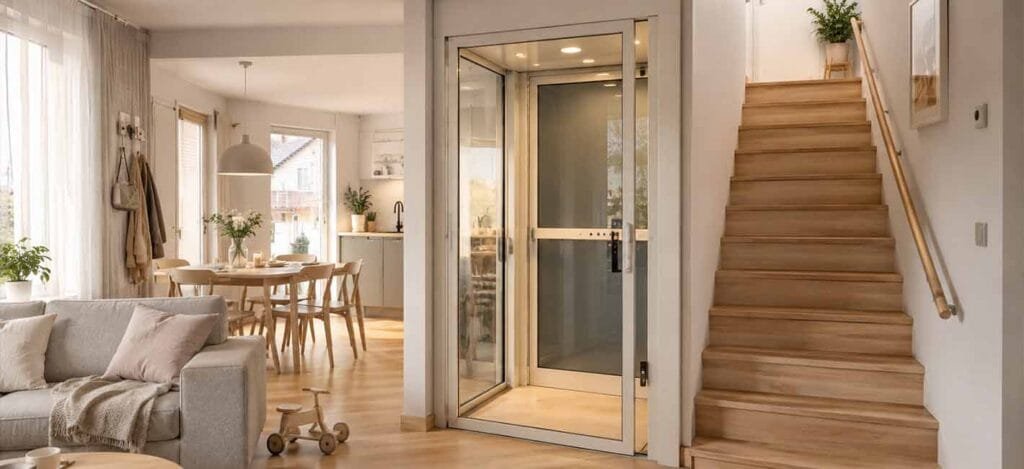
5. Какие условия необходимы для установки домашнего лифта?
Прежде чем выбрать домашний лифт, важно разобраться в основных требованиях к его установке. У разных систем свои особенности, но есть несколько ключевых условий, которые всегда необходимо учитывать.
Условия в помещении и в шахте
Первым фактором, который следует учитывать, является пространство.
Некоторые лифты, например лифты с тяговым приводом, как правило, требуют наличия соответствующей конструкции шахты. Другие, такие как винтовые или пневматические лифты, можно устанавливать в более компактных или гибких помещениях.
Если в вашем доме уже предусмотрен специальный колодец, установка пройдет гораздо проще. В противном случае вам нужно будет выбрать систему, не требующую значительных строительных работ.
Высота здания и расстояние перемещения
Большинство домашних лифтов рассчитаны на 2–6 этажей.
Количество этажей влияет на мощность двигателя, конструкцию системы и общие эксплуатационные характеристики. Для более высоких зданий, как правило, требуются более стабильные и мощные системы.
Требования к зазорам между картером и верхней частью двигателя
Некоторые типы лифтов требуют наличия шахты внизу и достаточного пространства на верхнем этаже.
Однако современные компактные системы могут снизить или даже полностью устранить эти требования, что делает их подходящими для проектов по реконструкции.
Условия электропитания
Домашние лифты, как правило, работают от стандартной бытовой электросети.
Однако у разных систем могут быть разные требования к мощности в зависимости от грузоподъёмности и способа привода. Важно уточнить это перед установкой.
Сроки монтажа и влияние на строительство
Некоторые лифты требуют проведения строительных работ и более длительного времени монтажа, особенно традиционные системы с шахтой.
Другие типы конструкций разработаны для более быстрого монтажа с минимальным воздействием на существующее здание, что идеально подходит для проектов по реконструкции.
Простой вывод
Оптимальный вариант монтажа всегда зависит от особенностей вашего дома. Тщательная оценка перед выбором системы поможет сократить расходы, время монтажа и избежать проблем в будущем.
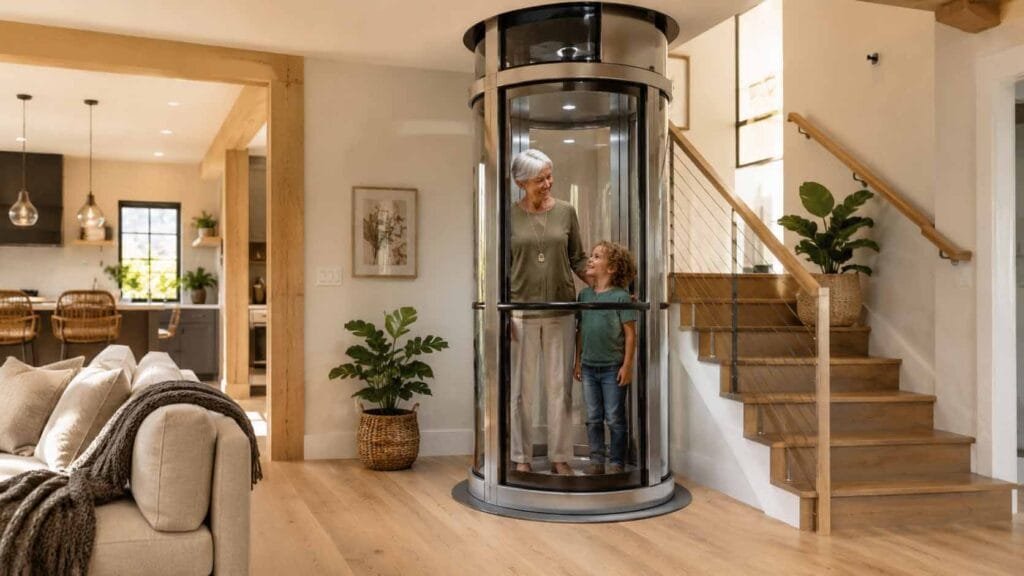
6. В каком диапазоне цен находятся домашние лифты?
Стоимость домашнего лифта может значительно варьироваться. Она зависит от типа лифта, его размеров, количества этажей и степени индивидуальной настройки.
Решения начального уровня
Некоторые простые системы, такие как платформенные подъемники или лифты с простым винтовым приводом, как правило, стоят дешевле.
Они предназначены для базовых вертикальных движений и простого использования в домашних условиях.
Эти варианты часто выбирают для проектов с ограниченным бюджетом или для небольших домов.
Решения среднего ценового диапазона
Гидравлические лифты и некоторые стандартные системы с винтовым приводом, как правило, относятся к среднему ценовому диапазону.
Они обеспечивают оптимальный баланс между эксплуатационными характеристиками, комфортом и стоимостью. Многие небольшие жилые здания и проекты по реконструкции выбирают именно этот уровень.
Решения премиум-класса
Тяговые лифты и пневматические (вакуумные) лифты, как правило, стоят дороже.
Тракционные системы обеспечивают более высокий уровень комфорта и долгосрочную стабильность, тогда как пневматические лифты в большей степени ориентированы на современный дизайн и внешний вид.
Эти варианты часто используются на виллах и в элитных домах.
Простой вывод
У домашних лифтов нет фиксированной цены.
Окончательная стоимость зависит от конструкции вашего здания, выбранной системы и условий монтажа.
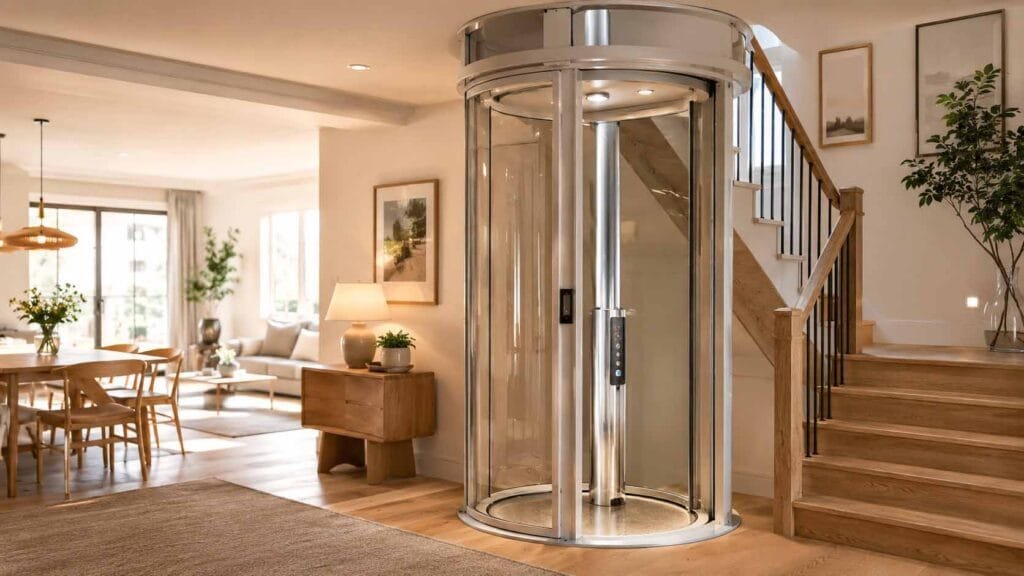
7. Безопасны ли домашние лифты?
Домашние лифты оснащены несколькими системами безопасности. При правильной установке и техническом обслуживании они безопасны для повседневного использования.
Основные системы безопасности
Большинство домашних лифтов оснащены стандартными средствами безопасности, такими как:
- Система аварийной остановки
- Защита от перегрузки
- Система регулирования скорости
- Замок безопасности для дверей
Эти системы помогают предотвратить типичные эксплуатационные риски.
Защита в чрезвычайных ситуациях
В случае сбоя электропитания многие современные домашние лифты рассчитаны на безопасную остановку.
Некоторые системы способны плавно переместить салон к ближайшему этажу, что позволяет пассажирам безопасно покинуть самолёт.
Структурная устойчивость
Различные типы лифтов имеют разную конструкцию, но все они рассчитаны на безопасную перевозку определённых грузов.
При правильной установке в соответствии с рекомендациями производителя конструкция является устойчивой и надежной для длительного использования.
Важность монтажа и качества
Безопасность зависит не только от типа лифта.
Правильная установка и регулярное техническое обслуживание одинаково важны.
Правильно установленная система от надежного производителя, как правило, является вполне безопасной для использования в домашних условиях.
Простой вывод
Домашние лифты безопасны при условии их правильного подбора, монтажа и технического обслуживания.
Большинство рисков для безопасности связано с некачественной установкой или отсутствием технического обслуживания, а не с самой технологией.
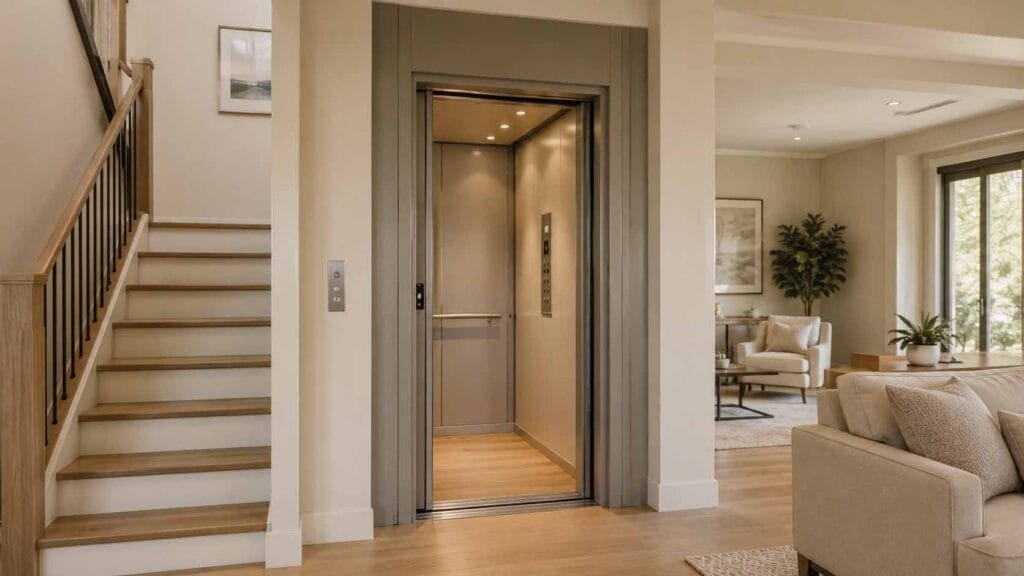
8. Сложно ли обслуживать домашний лифт?
Техническое обслуживание домашнего лифта, как правило, не представляет сложности, но это зависит от типа выбранной вами системы.
Системы, не требующие особого ухода
Лифты с винтовым приводом и подъемники с платформой, как правило, требуют меньшего объема технического обслуживания.
Они отличаются более простой конструкцией и меньшим количеством механических деталей, что облегчает их эксплуатацию в повседневном использовании.
Системы со средней степенью обслуживания
Гидравлические лифты требуют регулярной проверки масляной системы.
Сюда входит контроль уровня масла и обеспечение бесперебойной работы гидравлической системы на протяжении длительного времени.
Системы с более высокими затратами на техническое обслуживание
Тяговые лифты могут требовать более регулярного осмотра ключевых компонентов, таких как тросы, двигатели и блоки управления.
Однако при надлежащем техническом обслуживании они также рассчитаны на длительную стабильную работу.
Пневматические системы
Пневматические лифты, как правило, имеют меньшее количество механических деталей, однако для обеспечения стабильной работы им всё равно требуется периодическая проверка уплотнений и пневматических систем.
Простой вывод
Техническое обслуживание домашних лифтов не представляет особой сложности.
Для обеспечения безопасной и бесперебойной работы большинства систем достаточно лишь проводить регулярные осмотры и базовое техническое обслуживание.
9. Нужна помощь в выборе подходящего домашнего лифта?
Если вы не уверены, какой тип домашнего лифта вам подходит, или не знаете, можно ли его установить в вашем доме, мы поможем вам это выяснить. Обратитесь в компанию LJ Elevator за поддержкой.
Вам нужно лишь указать некоторую основную информацию, например:
- Количество этажей
- Свободная площадь
- Новый дом или ремонт
Исходя из этого, мы можем помочь вам:
- Проверить возможность установки
- Порекомендовать подходящие типы лифтов
- Предложите простое решение для вашего проекта
Правильный выбор лифта на начальном этапе поможет вам сэкономить средства, избежать ошибок и обеспечить безопасность монтажа.
Темы, которые могут вас заинтересовать:
- Размеры домашних лифтов: полное руководство по размерам лифтов для частных домов
- Планируете лифт для дома? Избегайте этих 5 распространенных ошибок
- Понимание трех типов тяговых домашних лифтов
- Не обманывайтесь “бюджетными домашними лифтами”!
- Какой домашний лифт подойдет для вашей виллы?
- Можно ли установить домашний лифт без заранее подготовленной шахты?